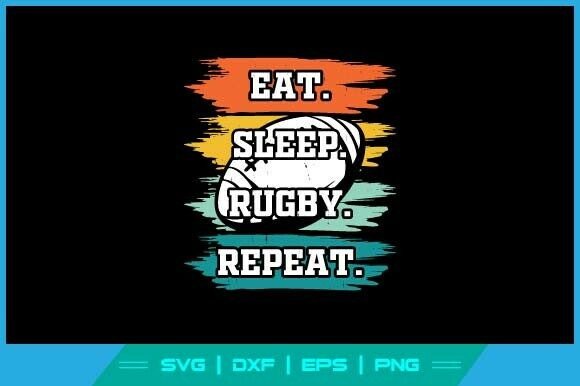
Eat. Sleep. Rugby. Repeat. Retro Vintage
As a designer who spends half my life staring at stitch charts and the other half troubleshooting tension issues on an embroidery machine, I don’t just look at a design file; I look at its potential. When Eat. Sleep. Rugby. Repeat. Retro Vintage landed in my inbox, my first thought wasn’t about the trendiness of rugby culture, but about execution. Would it stitch cleanly? Would it hold up after twenty washes? And most importantly, would a customer actually wear or use it without feeling like they bought a generic novelty item?
This review is for the crafters, Etsy sellers, and boutique owners who need to know if this machine embroidery design is worth adding to your digital asset library. We are going to strip away the marketing fluff and look at how this embroidery file performs when it hits the hoop.
First Impressions: The Retro Aesthetic and Visual Personality
The title alone sets a specific mood. It taps into the "vintage" aesthetic that has dominated custom apparel for the last few years, but it grounds that trend in a very specific subculture. Rugby isn’t just a sport; it’s a lifestyle associated with grit, camaraderie, and classic athletic wear. The retro styling suggests distressed textures, bold typography, or perhaps a badge-like layout that feels established rather than fleeting.
From a visual standpoint, this design likely balances text and graphic elements in a way that works well for handmade products. Unlike overly intricate floral patterns that can turn into a muddy mess if the thread count is too high, a retro sports theme usually relies on strong lines and clear negative space. This makes it an excellent candidate for commercial embroidery because it reads clearly from a distance. Whether you are designing for a dedicated rugby player or someone who simply appreciates vintage athletic graphics, the visual personality is approachable and masculine-leaning, though certainly not exclusive.
Real-World Application: Where This Design Shines
I’ve been testing various designs for upcoming holiday inventory, and Eat. Sleep. Rugby. Repeat. Retro Vintage immediately jumped out as a versatile option for several key product categories. Let’s break down where this embroidery project fits best.
- Sweatshirt Embroidery: This is the natural home for this design. Heavy cotton fleece or French terry provides the perfect stable base for a retro graphic. Placing this on the chest of a crewneck sweatshirt creates an instant personalized gift that feels premium. The weight of the garment supports the stitch density often found in these types of designs without puckering.
- Tote Bag Design: Canvas totes are a staple for Etsy sellers, but they can be tricky due to fabric texture. If this design uses large areas of fill stitch, it might get lost in the weave of a cheap tote. However, if it relies more on satin stitch outlines and running stitch details, it will pop beautifully against the neutral canvas, creating a chic craft business item.
- Embroidered Patch: The phrase lends itself perfectly to a circular or shield-shaped patch. These are huge right now for customizing denim jackets, backpacks, and beanies. Creating a separate applique design version or using a tear-away stabilizer to create a detachable patch adds significant value to your small shop product line.
- Holiday Embryoidery: For Q4 planning, this is a goldmine. Men rarely know what to buy their partners, fathers, or brothers. A high-quality embroidered piece featuring this sentiment solves a gifting problem instantly. It positions your brand as the go-to source for thoughtful, niche gifts.
Technical Considerations and Potential Pitfalls
No design is perfect, and knowing where to draw the line is what separates a pro from a hobbyist. Here is where you need to be careful with Eat. Sleep. Rugby. Repeat. Retro Vintage.
Fabric Texture and Stability: While heavy fabrics work well, be wary of thin, stretchy knits. If you attempt to stitch this on a lightweight jersey tee without proper stabilization, the retro lettering may distort. Always use a cut-away stabilizer for stretchy materials to ensure the finished product maintains its shape. Similarly, textured fabrics like boucle or thick chenille can swallow up fine details. If the design includes small text or intricate linework, test it on scrap pieces of your target fabric first.
Hoop Size and Placement: Check the dimensions of the file before uploading. If the design is wide, it might not fit comfortably on a standard 5x7 hoop if you want a balanced placement on a garment. For caps and hats, curved surfaces require a specific cap frame and careful hooping technique. If the design has sharp corners or dense clusters, ensure your machine can handle the transition between different stitch types without breaking thread.
Thread Color Contrast: The "retro" vibe often implies muted colors, but on dark fabric, you need high contrast. If you are using light heather gray thread on a black hoodie, the design might lack definition. Conversely, bright neon threads might clash with the vintage aesthetic. Stick to classic colorways—navy, burgundy, forest green, or cream—to maintain the authentic look.
Designer’s Checklist for Production
- Test Stitch Density: Look at the file structure. Are there large blocks of fill stitch that could cause fabric distortion? If so, consider reducing the density slightly or adding water-soluble backing for support.
- Inspect Small Details: Zoom in on the text. Is "Repeat" legible? In embroidery, tiny letters can become blobs. If the font is too condensed, advise your customers to avoid placing it on items where the logo will be smaller than two inches wide.
- Mockup Validation: Before printing labels or listing items, create a printable mockup that simulates the texture of the thread. Does it look like plastic, or does it look like raised embroidery? Realistic mockups build customer trust and reduce returns.
- Licensing Confirmation: Since you are receiving SVG, EPS, and PN files, verify if these include commercial rights for physical goods. Most digital embroidery files allow you to sell the finished item, but reselling the digital file itself is almost always prohibited. Protect your craft business by reading the fine print.
Final Verdict: Is It Worth the Investment?
In the crowded market of handmade goods, specificity wins. Generic sports quotes are everywhere, but a well-executed retro rugby design with a catchy, relatable mantra stands out. Eat. Sleep. Rugby. Repeat. Retro Vintage offers a strong foundation for a profitable product line. It appeals to a passionate community, fits seamlessly into seasonal collections, and allows for creative merchandising across apparel and accessories.
For the graphic designers and crafts enthusiasts looking to expand into embroidery, this file provides a reliable starting point. It requires standard technical knowledge to execute well, but the payoff in terms of customer engagement and sales potential is high. Just remember: the design is only as good as the stitching. Take your time with setup, choose your threads wisely, and let the quality of your work speak for itself.
If you are ready to add a touch of vintage athleticism to your catalog, this design asset is a smart addition. It’s practical, marketable, and visually distinct. Happy stitching.