Mathematics Retro Style Cut File Review
As a designer who spends half my life staring at stitch density charts and the other half trying to convince clients that embroidery is not just "thread on cloth," I approach every new digital asset with a healthy dose of skepticism. The market is flooded with generic clipart, so finding something with actual visual personality is rare. That is why when I encountered the Mathematics Retro Style Cut File, I decided to put it through its paces before recommending it for any commercial or personal project.
This isn’t just another geometric pattern; it carries a specific mood. It feels like a nod to mid-century academic aesthetics mixed with modern graphic design trends. For those of us in the Crafts and Graphics spaces looking for unique design assets, understanding how this translates from screen to fabric is crucial. Below is my honest evaluation based on real-world application scenarios.
First Impressions: Mood and Visual Personality
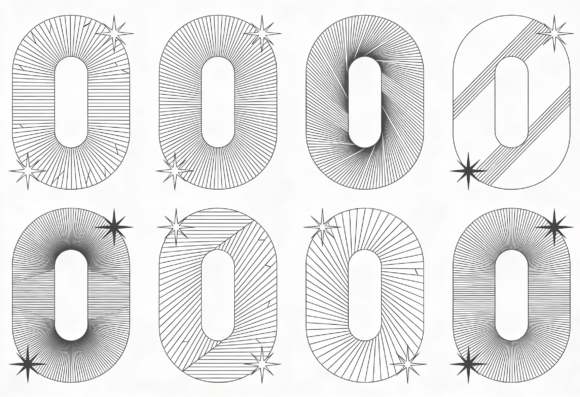
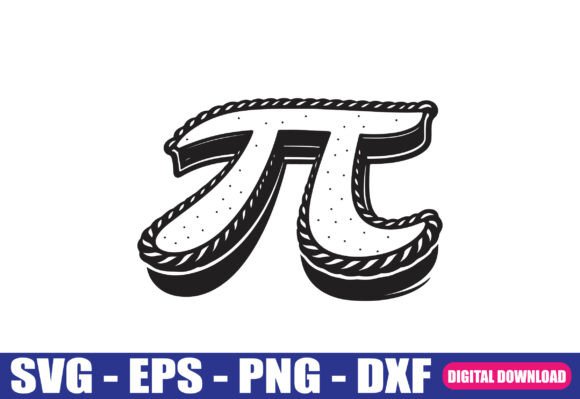
The moment you load the file into your vector software, the retro vibe hits hard. The clean lines and structured layout suggest precision, which makes sense given the mathematical theme. However, unlike rigid technical drawings, this piece has warmth. It feels approachable yet intellectual, striking a balance that appeals to teachers, students, and design enthusiasts alike.
From a purely aesthetic standpoint, the design works because it is uncluttered. In embroidery, complexity often kills clarity. This file avoids that trap by relying on strong shapes rather than intricate, fragile details. It creates a visual identity that is instantly recognizable but not overwhelming. When I imagine this stitched onto a product, I see it as a statement piece—something that says, "I appreciate structure and style," without shouting for attention.
Real-World Application: Where Does It Shine?
I recently tested this concept on a custom embroidered tote bag project for a local boutique client. The goal was to create a reusable shopping bag that felt more like a fashion accessory than a grocery carrier. We placed the Mathematics Retro Style Cut File on the front panel, centered and scaled appropriately.
The result was striking. The clean lines of the design translated beautifully into thread, especially when paired with a contrasting thread colors palette. Here is how it performed across various common use cases:
- Custom Apparel & Sweatshirts: On a heavyweight cotton sweatshirt, the design held its shape well. The retro aesthetic pairs naturally with casual wear, making it perfect for university merchandise, teacher appreciation gifts, or math club apparel. The clean geometry looks sharp against textured fabrics.
- Tote Bag Design: As mentioned, this is a natural fit. The design’s symmetry works well on the flat canvas of a tote bag. It serves as a great focal point for a handmade product that needs to look professional enough for retail but personal enough for gift-giving.
- Baby Embroidery & Nursery Decor: Surprisingly, this design also works for baby items. A smaller version stitched onto a muslin blanket or a onesie adds a sophisticated touch that parents love. It moves away from the typical soft pastels and whimsical animals, offering a modern alternative for personalized gift buyers.
- Embroidered Patch: If you are creating badges for denim jackets or backpacks, the bold outlines of this file make it an excellent candidate for a patch. It stands out even from a distance, which is key for embroidered patch applications.
Technical Considerations for Embroidery Designers
While the visual appeal is high, no design is perfect without proper execution. As an experienced reviewer, I must highlight where caution is needed. The Mathematics Retro Style Cut File relies heavily on precise alignment and clean edges. Here are some practical notes for your next embroidery project:
Hoop Size and Scale
Always test the design in your intended hoop size first. Because the design features linear elements, scaling it down too much can cause thin lines to merge or disappear entirely. If you are aiming for a tiny detail on a cap brim, you might lose the integrity of the mathematical shapes. I recommend keeping the minimum dimension large enough to maintain distinct separation between elements. If the design includes fine text or tiny geometric intersections, verify that these will remain legible after stitching.
Stitch Density and Fabric Choice
The performance of this file depends heavily on your choice of fabric texture. Smooth fabrics like cotton twill or canvas allow the satin stitch and fill stitch areas to lay flat and look crisp. Conversely, highly textured fabrics like terry cloth or thick fleece can distort the clean lines, making the retro style look messy. Additionally, be mindful of stitch density. If the original file has dense fill areas, ensure your digitizing software (or the pre-digitized file itself) uses appropriate underlay stitches to prevent puckering, especially on stretchy knits.
Thread Contrast and Color Theory
To get the best result, choose thread colors that provide strong contrast against your background fabric. A dark navy design on black fabric will vanish, while a cream design on a white tee might lack definition. I found that using a slightly muted, vintage-inspired color palette enhances the retro feel. Think mustard yellows, dusty blues, or terracotta oranges against neutral backgrounds. Avoid overly bright, neon threads, as they can clash with the sophisticated, academic vibe of the design.
Where to Use It Carefully
There are certain scenarios where this design might not be the best fit. Avoid using it on curved surfaces like fitted caps if the design does not have built-in curve compensation. The straight lines of a mathematical theme can look distorted if forced onto a tight curve without proper adjustment. Similarly, steer clear of using this on very thin or delicate fabrics unless you are using a heavy-duty stabilizer. The tension required for clean lines might cause damage to lightweight materials.
Also, consider the end-use of the product. If the item will undergo frequent, harsh washing (like industrial workwear), ensure the design is robust. While this file is versatile, extremely fine details may wear faster than bold, blocky designs. For long-lasting durability, stick to medium-scale applications on sturdy garments or home decor items like aprons and kitchen towels.
Final Verdict: Is It Worth It?
For Etsy sellers, small shop product creators, and craft business owners, the Mathematics Retro Style Cut File offers a unique value proposition. It fills a niche for "smart" and stylish home decor and apparel that stands out in a crowded marketplace. It is not just a decoration; it is a conversation starter.
Before purchasing or using this file for commercial purposes, remember to check the licensing terms provided by the creator. Ensure you have the right to sell finished products made from this design. Also, always run a test stitch-out on scrap fabric to confirm how the machine embroidery design behaves with your specific machine and thread choices. This step saves time, reduces waste, and ensures your final finished product meets the high standards your customers expect.
In summary, this is a versatile, visually appealing asset that brings a touch of retro sophistication to any embroidery project. Whether you are creating a holiday embroidery gift, a commercial embroidery batch for a school, or a unique printable mockup for your online store, this file delivers quality and style. It is a solid addition to any designer’s library of digital embroidery files.