Retro Abstract Line Art Shapes Review
As a designer who spends more time than I care to admit staring at digitized files and testing stitch samples, I approach every new machine embroidery design with a mix of hope and skepticism. The market is flooded with generic patterns, but occasionally something catches the eye—not because it’s loud, but because it’s clean. That was my first impression when I pulled up Retro Abstract Line Art Shapes. It’s not just another clip-art vector; it feels like a deliberate choice for modern branding and high-end craft projects.
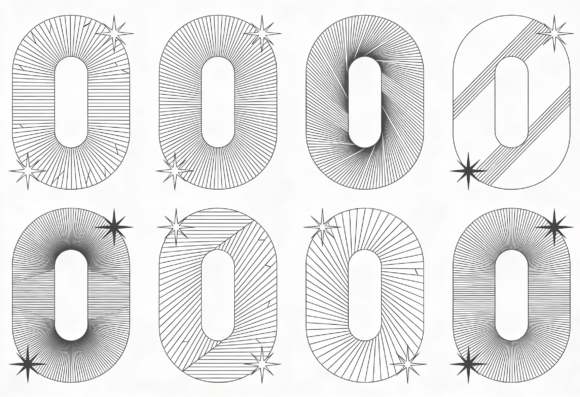
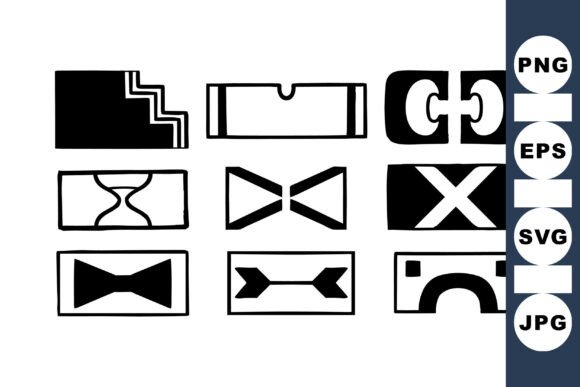
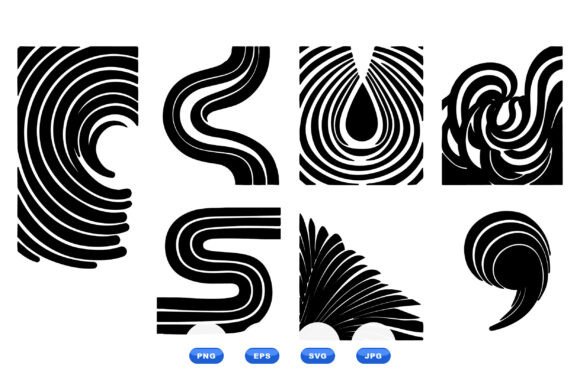
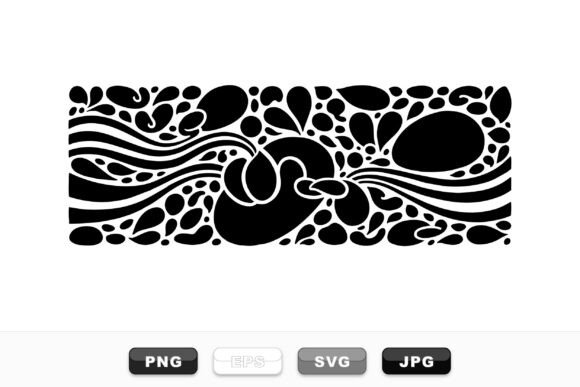
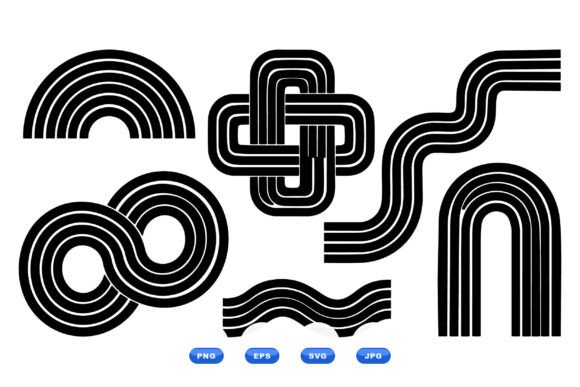
This piece is an abstract black and white vector artwork featuring intertwined and curved linear shapes with smooth edges. On screen, it looks minimalist and geometric. But the real question for any Etsy seller, small business owner, or hobbyist is: how does it translate to thread? Does it hold up in a hoop? Will it look expensive on a finished product? Here is my practical breakdown of using this embroidery file in real-world scenarios.
The Aesthetic: Why This Design Works
The mood of Retro Abstract Line Art Shapes is sophisticated yet accessible. It leans heavily into that mid-century modern vibe that has been dominating interior decor and fashion for the last few years. The smooth edges and flowing curves give it a sense of movement, which is crucial in embroidery where static lines can sometimes feel stiff.
For creative entrepreneurs looking to build a consistent brand identity, this design offers versatility. It doesn’t scream for attention; instead, it invites the viewer to look closer. This subtlety is a huge asset for custom apparel and boutique branding. When you are designing a logo for a client or creating a signature mark for your own handmade line, you want something that feels intentional. The geometric nature of the shapes ensures that even if the stitching isn’t perfect, the overall composition remains strong. It works beautifully as a standalone statement piece or as a subtle accent on larger garments.
Real-World Application: From Screen to Stitch
I recently considered using this design for a batch of custom embroidered tote bags intended for a local artisan market. Tote bags are a staple for crafters and makers, but they are also notorious for distorting designs if the fabric stretches too much under the needle. Because Retro Abstract Line Art Shapes relies on clean, open spaces rather than dense, heavy fills, it is naturally forgiving. The negative space allows the canvas (or bag material) to breathe, reducing the risk of puckering.
Imagine this design stitched onto a thick cotton canvas tote. The contrast between the black thread and the natural beige fabric would be striking. Alternatively, placing it on a soft, heather-grey sweatshirt creates a cozy, contemporary look that appeals to the apparel decorator crowd. It fits seamlessly into the "minimalist aesthetic" that drives so many sales on platforms like Etsy and Instagram shops today.
Beyond bags and shirts, this design shines in home decor. I envision it embroidered on a linen pillow cover or a simple kitchen towel. The abstract nature means it won’t clash with busy patterns in a living room or kitchen. It adds a touch of modern graphic design without overwhelming the space. For digital product sellers, this is also a goldmine. You can use the original vector assets to create printable mockups, showing potential buyers exactly how this design asset looks on various backgrounds before they commit to buying the physical item.
Where Caution Is Required
No design is universally perfect, and Retro Abstract Line Art Shapes has specific areas where you need to exercise professional judgment. While the curves are smooth, the intertwining nature of the lines means there are moments where paths cross closely together.
- Small Hoop Sizes: If you are trying to fit this into a very small hoop (like 4x4 inches), the details might get lost. The lines could merge visually if the scale is too small, turning the distinct shapes into a muddy blob. Always preview the design at its final size.
- Textured Fabrics: Embroidering fine lines on a highly textured fabric, like a chunky knit sweater or a rough burlap, can obscure the precision of the curves. The fabric texture competes with the line art. Stick to smoother fabrics like cotton, denim, or twill for the best clarity.
- Stretchy Materials: While the design is relatively light, applying it to highly stretchy fabrics like thin jersey or spandex blends requires extra stabilization. Without a proper stabilizer, the tension from the threads can distort the delicate curves.
- Dense Stitch Areas: Although this is primarily line work, if the digitization uses heavy satin stitches to define the edges, it may become stiff. Check the stitch type carefully. A combination of running stitch and lighter satin outlines usually yields a softer, more professional finish.
Practical Designer Notes for Success
Before you load this file into your machine and start stitching, there are a few non-negotiable steps I recommend. First, always test on scrap fabric. This is especially important if you are planning to sell these items as part of your craft business. You need to see how the thread colors interact with your specific fabric choice. Black thread on white fabric is classic, but what about navy on charcoal? Or cream on black?
Inspect the small details closely. Zoom in on your digitizing software. Are the corners sharp enough? Do the curves flow smoothly, or are there jagged artifacts? If you are offering this as a commercial embroidery service, your clients will notice these imperfections. A blurry or jagged curve undermines the professionalism of the entire piece.
Also, consider the end use. If this is going on a personalized gift like a baby onesie or a nursery wall hanging, ensure the thread quality is soft and safe. For holiday embroidery projects, such as Christmas stockings or advent calendars, this abstract style offers a refreshing break from traditional motifs. It feels fresh and unexpected.
Finally, verify your licensing. Just because you bought the file doesn’t automatically mean you have the right to sell unlimited finished products. Check the terms associated with Retro Abstract Line Art Shapes. If you are a small shop product creator, understanding these rights protects your reputation and your revenue stream. Ensure you have the correct permissions for both personal use and commercial distribution.
Final Verdict
Retro Abstract Line Art Shapes is a versatile, high-quality addition to any graphics library focused on crafts. It bridges the gap between digital minimalism and tactile handmade goods effectively. It is not just a decorative element; it is a branding tool. Whether you are creating a single embroidered patch for yourself or producing a batch of sweatshirt embroidery for your online store, this design delivers a polished, modern look that customers appreciate.
It rewards careful execution. If you pay attention to fabric choice, stabilizer selection, and thread contrast, the result will be a finished product that stands out. It’s a smart investment of time and materials for anyone serious about elevating their embroidery project game.