Retro Camo Senior 2026 Design Review
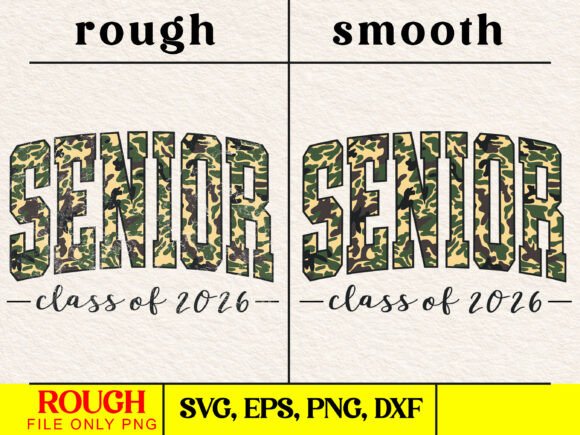
As a designer who spends half my day digitizing and the other half stitching, I don’t just look at an embroidery file; I look at how it will behave on fabric. When I first pulled up the Retro Camo Senior 2026 Design, my immediate reaction was one of nostalgia mixed with practical curiosity. The title suggests a specific milestone—the Class of 2026—but the visual language speaks to a broader trend: vintage military aesthetics meeting modern graphic simplicity. This isn’t just another generic camo pattern slapped with text. It is a distinct piece of Crafts and Graphics that begs to be tested in a real-world scenario.
First Impressions and Visual Personality
The moment you load this machine embroidery design, the mood is set. It feels rugged yet polished. The "retro" aspect implies a slightly faded or stylized color palette, likely utilizing muted earth tones or classic olive drabs rather than the hyper-realistic greens found in modern digital prints. For an embroidery project aimed at seniors, this design strikes a balance between masculine energy and celebratory pride. It avoids being overly juvenile while still feeling relevant to a high school or college graduate stepping into adulthood.
From a layout perspective, the composition appears designed for versatility. It doesn’t scream for attention so much as it invites inspection. The visual personality is confident. It works well as a standalone statement on a chest pocket but also has the potential to serve as a background texture behind more delicate typography if the digitizer allows for such layering. This flexibility is crucial for Etsy sellers and small shop product creators who need designs that can adapt to various customer requests without looking out of place.
Real-World Application: The Custom Tote Scenario
To truly evaluate this embroidery file, let’s imagine a specific use case. I am preparing a batch of custom embroidered tote bags for a local graduation party favor. These aren’t flimsy canvas bags; they are heavy-duty cotton twill totes meant to last. The client wants something that says "Senior 2026" without looking like a cheap promotional item.
I place the Retro Camo Senior 2026 Design on the front center of the bag. The contrast against the natural canvas is striking. Because the design relies on strong shapes and clear lines, it holds up beautifully even when stitched onto a textured surface like twill. The camo elements break up the solid blocks of thread, which helps disguise any minor tension inconsistencies that might occur on a large flat area. The result is a handmade product that looks professionally finished, elevating the perceived value of the gift. Customers don’t just see a bag; they see a keepsake. This kind of quality drives repeat business and positive reviews for any craft business.
Performance on Different Fabrics and Garments
While the tote bag was a success, a savvy designer knows that not all fabrics play nice. Here is how this design performs across various custom apparel categories:
- Sweatshirt Embroidery: On a fleece or French terry hoodie, the retro camo pattern adds a streetwear vibe. The softness of the fabric complements the structured look of the embroidery. However, ensure your stabilizer choice is robust enough to prevent pilling under the dense areas of the camo fill.
- Baby Embroidery: Surprisingly, this design can work for older toddlers or young children, especially if used on overalls or denim jackets. The bold colors stand out well against light denim. Just be mindful of the size; scaling it down too much may lose the detail in the camo shapes.
- Embroidered Patch: This design translates exceptionally well to a patch format. Whether applied to a backpack, a cap, or a jean jacket, the defined edges make it easy to stitch a clean border. It serves as a great commercial embroidery asset for adding personalized flair to mass-produced goods.
- Holiday Embroidery: While primarily themed for graduation, the color scheme could easily be adapted for seasonal gifts if paired with appropriate holiday text, though the "2026" date anchors it firmly to its intended milestone.
Where Caution Is Required
No design is perfect for every situation. There are specific scenarios where you should approach the Retro Camo Senior 2026 Design with care. Avoid using this on highly stretchy knits unless you are using a heavy-duty cut-away stabilizer, as the camo pattern’s density could distort the fabric during wear. Similarly, on dark fabrics, ensure your thread colors provide sufficient contrast. If the camo uses dark greens on black fabric, you might lose definition in the shadows.
Also, consider the hoop size limitations. If the design is large, attempting to embroider it on curved surfaces like baseball caps can be challenging. The back panel of a cap is curved, and large, dense fills can gap or pull if not digitized with proper underlay stitches. Always test on scrap fabric first to check the stitch density. If the design feels too heavy, you may need to adjust the thread weights or reduce the scale slightly.
Impact on Brand and Customer Trust
In the world of digital product sellers and printable mockup creators, presentation is everything. A well-executed embroidery project builds trust. When a customer sees that the Retro Camo Senior 2026 Design is stitched cleanly, with no loose threads and balanced spacing, they assume the entire brand is professional. Conversely, a poorly executed stitch job can undermine even the best design.
This design aids in brand consistency because its aesthetic is timeless. Retro styles rarely go out of fashion completely. By offering this design, you are tapping into a sense of heritage and tradition, which resonates deeply with parents buying for their children. It feels substantial. It feels like a memory captured in thread. That emotional connection is what turns a one-time buyer into a loyal advocate for your small business merchandise.
Practical Designer Notes for Success
Before you commit to a full production run, follow these steps to ensure the finished product meets your standards:
- Test on Scrap Fabric: Never skip this step. Use the exact fabric and stabilizer you plan to use for the final product. This reveals issues with puckering or thread breaks early.
- Check Thread Color Contrast: Lay your chosen thread spools next to the fabric. Does the camo pop? Does the text remain legible? Adjust your thread colors if necessary.
- Review Stitch Density: Zoom in on the digitized file. Are there areas where the fill stitch is too dense, causing bulk? Are the satin stitch borders tight enough to cover the fabric but not so tight that they cause waviness?
- Inspect Small Details: Look closely at the corners of the camo shapes and any small lettering. Will these details survive the washing process? If they are too fine, consider simplifying them.
- Confirm Licensing: As an Etsy seller or creative entrepreneur, you must know your rights. Check the license terms associated with the digital embroidery file. Can you sell the physical items made from this design? Are there restrictions on commercial use? Clarity here protects your income stream.
- Black and White Mockups: Convert your design preview to grayscale. This helps you assess the value contrast without being distracted by color. Good embroidery design relies on shape and contrast, not just hue.
Final Verdict
The Retro Camo Senior 2026 Design is a strong addition to any designer’s library. It offers a unique blend of nostalgic style and modern utility. Whether you are creating a personalized gift for a family member, stocking your boutique branding with fresh inventory, or expanding your catalog as a graphics provider, this design delivers. It is versatile, visually appealing, and emotionally resonant. With careful execution and attention to fabric compatibility, it has the potential to become a staple in your craft business repertoire. Just remember: the magic happens in the stitching, so take the time to prep, test, and perfect your process.