Retro Burst Vector Clipart Set Review
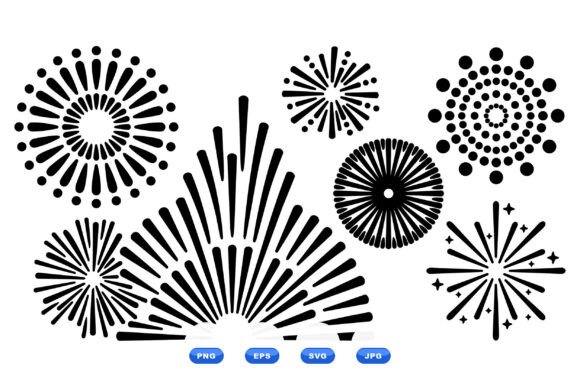
As a designer who spends more time staring at stitch density charts and fabric swatches than I care to admit, I approach every new digital asset with a healthy dose of skepticism. The market is flooded with clipart that looks great on a screen but falls apart when translated into thread. Recently, I came across the Retro Burst Vector Clipart Set, described as a collection of seven black and white radial burst shapes featuring abstract symmetrical patterns in a clean vector style. At first glance, it fits neatly into the Crafts and Graphics categories, but my job isn’t just to categorize—it’s to determine if this design holds up under the needle.
I decided to put this machine embroidery design concept through its paces. My goal was to see how these abstract, symmetrical bursts would translate from a crisp vector file into a tangible handmade product. Would they look like intentional, high-end graphic elements, or would they turn into a muddy mess of overlapping threads? Here is my practical breakdown of using this set for real-world projects.
First Impressions: Mood and Visual Personality
The immediate appeal of the Retro Burst Vector Clipart Set lies in its retro-modern aesthetic. Radial bursts are timeless, evoking mid-century modern vibes, vintage comic book energy, and 70s psychedelic art without being overly literal. Because the source files are black and white vectors, they offer a level of versatility that colored raster images simply cannot match. For an Etsy seller or small business owner, this means you aren’t locked into a specific color palette. You can adapt the mood entirely based on your thread colors.
The abstract symmetry provides a strong visual anchor. In embroidery, symmetry is your friend because it balances the tension across the hoop. Unlike organic, flowing shapes that might require complex digitizing tricks to prevent puckering, these geometric bursts have a built-in structure. The "clean vector style" mentioned in the description suggests sharp lines and clear boundaries, which translates well to satin stitches and fill stitches. It feels confident, bold, and ready to be a focal point rather than just a background filler.
Real-World Application: From Screen to Stitch
Let’s talk about where this design actually shines. I envisioned using one of these bursts as the central motif for a custom embroidered tote bag design. Picture a heavy canvas tote with a large, single-color burst stitched in contrasting navy thread on a cream bag. The geometry of the burst would pop against the textured weave of the canvas, creating a professional, boutique-level look. This is exactly the kind of item that performs well at craft fairs or in online shops because it appeals to a broad audience looking for something stylish yet functional.
Beyond totes, this embroidery project concept works beautifully for apparel. A small burst placed over the heart of a sweatshirt or t-shirt offers a subtle nod to graphic design trends without overwhelming the garment. For sweatshirt embroidery, the bold lines of the burst can stand up to the thick fleece material, provided the digitizer uses appropriate stitch density to ensure the thread doesn’t sink too deeply into the pile. It also lends itself well to baby embroidery; imagine a soft, pastel-colored burst on a muslin blanket or a onesie. The abstract nature makes it gender-neutral and timeless, avoiding the dated look of trendy character prints.
For the commercial embroidery sector, this set is a goldmine for branding. Small businesses often struggle with logo placement. Using a burst shape as a backdrop or a standalone accent allows brands to add a touch of flair to uniforms, aprons, or caps without altering their core identity. An embroidered patch featuring one of these bursts could easily serve as a universal badge for a creative agency or a handmade brand, signaling quality and attention to detail.
Where to Exercise Caution
No design is perfect for every surface, and the Retro Burst Vector Clipart Set has its limitations. The most critical factor here is scale. These are radial shapes with internal details. If you attempt to downscale them too much, you risk losing the integrity of the pattern. On small hoop sizes, such as those used for hats or delicate baby items, the intricate lines of the burst may merge together, turning into a solid blob rather than a distinct graphic. Always inspect small details before committing to a final run.
Fabric choice is equally important. Textured fabrics like waffle knit or heavily brushed fleece can obscure the sharp edges of the vector design. Similarly, stretchy knits require careful stabilization; if the fabric distorts during stitching, the symmetry of the burst will warp, ruining the clean aesthetic. Dark fabrics present another challenge. While black and white vectors are versatile, stitching a white burst onto dark fabric requires a high-quality white thread that won’t fray or show lint. Conversely, a black burst on black fabric relies entirely on the texture of the satin stitch or fill stitch to create contrast, which can be risky if the lighting isn’t right.
Additionally, avoid placing these designs on curved surfaces like baseball caps unless you have extensive experience with cap hoops. The radial symmetry assumes a flat plane. When wrapped around a curve, the top and bottom points of the burst may stretch or compress unevenly, leading to puckering. For best results, stick to flat panels like tote bags, pillow covers, tea towels, and the flat front of hats.
Practical Designer Notes for Success
If you decide to incorporate this digital embroidery file into your workflow, follow these practical steps to ensure a professional finish:
- Test on Scrap Fabric: Never jump straight into your final product. Stitch the design on a scrap piece of the same fabric type to check for tension issues and fabric distortion.
- Check Thread Contrast: Since the source is black and white, the visual impact depends entirely on your thread choices. Ensure there is enough contrast between the thread and the fabric for the details to remain visible.
- Review Stitch Density: High-density fills can make lightweight fabrics stiff and uncomfortable. Adjust the density settings in your digitizing software if necessary, especially for wearable items like custom apparel.
- Use Proper Stabilizer: The stability of the burst pattern relies on a firm foundation. Use cut-away stabilizer for knits and woven stabilizer for wovens to prevent shifting.
- Mockup in Black and White: Before adding color, view your design in grayscale. This helps you assess the balance of positive and negative space, ensuring the burst doesn’t feel too heavy or too sparse.
- Confirm Licensing: As an Etsy seller or small shop product creator, verify the commercial use rights. Ensure you are allowed to sell finished goods made with these designs, particularly if you are selling them as part of a larger collection.
Final Verdict
The Retro Burst Vector Clipart Set is a strong candidate for designers looking to add a graphic, modern touch to their embroidery project portfolio. Its clean lines and symmetrical structure make it forgiving for digitizing while still offering high visual impact. Whether you are creating a personalized gift for a client or building a line of craft business merchandise, this set provides the flexibility to adapt to various aesthetics—from minimalist to bold retro.
It is not a one-size-fits-all solution; it demands respect for scale, fabric, and stitch technique. But when executed correctly, the result is a finished product that looks intentionally designed, professionally finished, and highly desirable. For the maker who values clarity and style, this vector set is a worthy addition to your design assets library.