Retro Hipster Giraffe Embroidery Review
When I first pulled up the Retro Hipster Giraffe design in my digitizing software, I didn’t just see a giraffe. I saw a potential bestseller for a specific niche of craft fair booths and Etsy shops. As a designer who spends more time than I care to admit troubleshooting tension issues and judging stitch density, I approach every new file with a mix of optimism and skepticism. This isn’t just about how it looks on a screen; it’s about how it translates from pixels and vector paths into thread, fabric, and ultimately, a finished product that a customer will love.
The category is listed broadly under Crafts and Graphics, but let’s be honest: this file feels like it was born for the intersection of vintage aesthetics and modern handmade commerce. It has that distinct "hipster" vibe—slightly ironic, highly stylized, and visually loud enough to stand out on a crowded rack of tote bags but detailed enough to feel premium. My initial impression was positive. The character has personality, which is the hardest thing to digitize well. Too often, cute animal designs get lost in over-stitching or look too rigid. Here, the mood is relaxed, fun, and ready for customization.
Real-World Application: From Screen to Stitch
I recently had a scenario where a client needed a unique design for a batch of custom baby onesies and matching burp cloths. They wanted something gender-neutral but playful, moving away from the standard stars and moons. The Retro Hipster Giraffe popped into my head immediately. Why? Because the design allows for significant flexibility in colorway without losing its identity. Whether stitched in soft pastels for a nursery collection or bold primaries for a summer camp t-shirt, the underlying structure holds up.
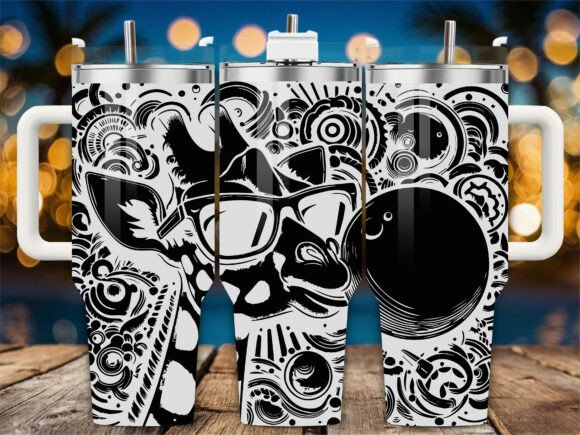
However, not every project is a good fit. When evaluating this for real-life embroidery situations, I think about scale. On a large sweatshirt or a full-front tote bag design application, this file shines. The visual weight is substantial enough to command attention. But if you are planning to use this as an embroidered patch on a small cap or a delicate apron, you need to be careful. The details that give the giraffe its charm—the sunglasses, the pattern on the neck, the retro styling cues—can become muddy if the hoop size is too small or if the stitch density is pushed too high during the conversion process.
I also considered the commercial aspect. For an Etsy seller or small shop owner, versatility is key. This design works beautifully as a standalone piece, but it also lends itself well to layered garments. Imagine this motif placed on the back of a denim jacket, paired with simple text on the front. Or perhaps used as a decorative accent on a pillow cover for a bohemian-style bedroom. The recognition factor is high because it taps into a recognizable cultural aesthetic (the hipster trend) while remaining timeless enough to sell year-round. It’s not tied to a fleeting holiday, making it a safer investment for your digital product inventory.
Where to Exercise Caution
Even great designs have their limits. There are specific scenarios where the Retro Hipster Giraffe might struggle, and knowing these beforehand saves you from ruined fabric and frustrated customers.
- Small Hoop Sizes: If you are working with a 4x4 inch hoop or smaller, inspect the fine details closely. Tiny elements like the stitching on the glasses frames or the texture of the fur can disappear or merge together. Test this on scrap fabric at your smallest intended hoop size before committing to a production run.
- Textured and Stretchy Fabrics: While this design is robust, textured fabrics like chunky knits or heavy towels can distort the clean lines of the silhouette. Similarly, stretchy fabrics like jersey or spandex blends require a heavy-duty stabilizer. Without proper support, the fill stitches may pucker, ruining the smooth appearance of the giraffe’s body.
- Dark Fabric Challenges: If you plan to embroider this on dark fabric, thread contrast becomes critical. A standard black outline might vanish against a navy background. You will need to adjust your thread colors or add a contrasting underlay to ensure the shape pops. Always check your thread color contrast before starting the machine.
- Dense Stitch Areas: Check the stitch density in the densest parts of the design. If the fill stitch is too thick, it can create a stiff, cardboard-like feel on soft apparel. For items that need to remain drapeable, like a lightweight t-shirt or a baby blanket, lighter stitch density is preferable.
Designer’s Notes for Optimal Results
To get the most out of this embroidery file, I recommend a few practical steps before you start stitching your final product. First, always test the design on scrap fabric that matches the weight and type of your final material. This reveals how the stabilizer interacts with the fabric and whether any adjustments to tension are needed.
Secondly, review the thread colors carefully. The design likely relies on a specific palette to convey its retro vibe. If you substitute colors haphazardly, you might lose the intended aesthetic. Consider using a mockup tool to visualize different thread combinations. Does the giraffe look better in earth tones for an organic cotton tote, or in neon accents for a youth-oriented hat?
Third, inspect the small details. Zoom in on the digitization. Are the satin stitch edges clean? Is the running stitch usage appropriate for outlining? Sometimes, designers add unnecessary trim runs that serve no purpose other than adding bulk. If you find redundant stitching, consider simplifying the design to improve durability, especially for items that will undergo frequent washing.
Finally, confirm the licensing terms. Even though this falls under digital embroidery file assets, the rights to sell finished products vary. Ensure you have the commercial license if you plan to sell these items on platforms like Etsy or at craft fairs. This protects your business and respects the creator’s work.
Visual Appeal and Customer Trust
A well-executed embroidery project communicates professionalism. When a customer receives a handmade product with crisp, clear stitching and no puckering, their trust in your brand increases. The Retro Hipster Giraffe has a strong visual personality that appeals to buyers looking for something unique. It stands out in a feed of generic designs. By ensuring high-quality execution—using the right fabric texture, proper hoop size, and quality thread—you elevate the perceived value of your finished product.
This design is particularly effective for personalized gifts. Add a name in a complementary font, and you have a complete gift set. The combination of a trendy graphic and personalization drives engagement and sales. It transforms a simple piece of cloth into a keepsake.
In conclusion, the Retro Hipster Giraffe is a versatile, charming, and commercially viable addition to any designer’s library. It works well for custom apparel, tote bag design projects, and holiday embroidery collections alike. Just remember to respect the technical limitations of embroidery. Test thoroughly, choose your materials wisely, and let the design’s inherent fun shine through. If you treat it with the care it deserves, this file will pay dividends in both creative satisfaction and sales revenue.