Retro Roller Skate Silhouettes Review
When I first opened the file for Retro Roller Skate Silhouettes, my immediate thought was about nostalgia. There is a specific energy in retro sports graphics that translates surprisingly well to textile art, provided the execution is clean. As someone who reviews design assets for real-world application, I look past the pretty picture and ask: will this stitch out? Will it hold up on a customer’s garment? Does it feel like a finished product or just a clipart placeholder?
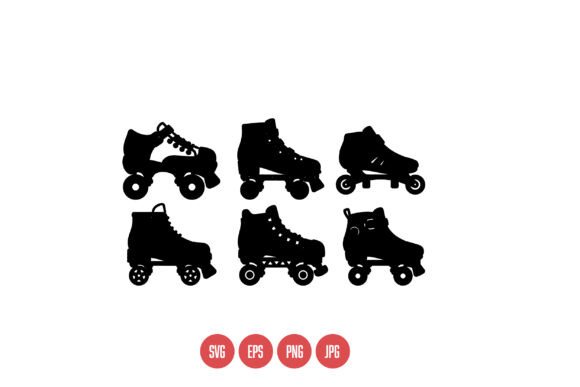
The answer here leans heavily toward yes, but with some important caveats regarding scale and fabric choice. This asset falls squarely into the Crafts category under Graphics, which tells us it is vector-based and scalable. That is a huge win for an embroidery designer because it means we aren’t stuck with pixelated edges when we digitize or transfer the concept. The black silhouette icons depict various roller skates and inline skates with distinct details like buckles, laces, wheels, and a star emblem in a clean vector style. It is designed for sports or leisure designs, and frankly, it fits perfectly into the current market trend of Y2K and 90s-inspired fashion.
The First Impression: Mood and Visual Personality
The mood of this design is playful yet structured. Because it relies on solid black shapes rather than intricate shading, it has a bold, graphic quality that reads instantly. In the world of custom apparel, instant readability is key. A buyer scrolling through an Etsy listing needs to understand the vibe in less than a second. These silhouettes deliver that immediately.
I am particularly drawn to the variety included in the set. You have traditional quad skates alongside modern inline skates. This allows a small business owner to curate a collection that appeals to different niches—perhaps one line for vintage enthusiasts and another for contemporary streetwear fans. The inclusion of small details like buckles and laces adds character without overwhelming the eye. However, those details are what require careful planning during the digitization process. If you are converting this vector into a digital embroidery file, you need to decide how much detail to keep. Too much fine stitching can lead to puckering; too little can make the skate look flat and lifeless.
Real-World Application: From Screen to Stitch
Let’s talk about where this design actually lives. Imagine you are preparing a batch of custom embroidered tote bags for a local craft fair. You want something that screams "summer fun" but remains versatile enough for year-round wear. Retro Roller Skate Silhouettes works beautifully here. Placed centrally on a canvas tote, the high contrast of black thread against a natural or white fabric creates a striking focal point. It elevates a basic tote bag from a generic giveaway item to a handmade product with personality.
Consider also the potential for sweatshirt embroidery. Hoodies and crewnecks are staples in the craft business. A cluster of these skates across the chest or down the sleeve offers a dynamic layout that feels intentional and professional. For baby embroidery, such as on onesies or bibs, the simple shapes are charming and safe, avoiding any overly complex imagery that might distract from the softness of the garment. The star emblem mentioned in the description is a nice touch—it adds a subtle pop of whimsy that resonates well with parents looking for personalized gifts.
I also see strong potential in holiday embroidery. While roller skating isn't inherently Christmas-themed, the nostalgic aspect makes it perfect for retro-themed holiday gifts. Think of a family matching pajama set featuring these skates alongside other vintage winter motifs. Or perhaps a boutique branding project where a local ice rink or skate shop wants merchandise that feels authentic to their history. In these scenarios, the design acts as a powerful design asset that builds brand consistency.
Where to Exercise Caution
No design is universal, and Retro Roller Skate Silhouettes is no exception. There are specific situations where this asset requires careful handling. First, consider the hoop size. If you attempt to stitch this into a very small hoop, say smaller than 4x4 inches, you risk losing the integrity of the smaller details. The buckles and wheel spokes may merge into indistinct blobs if the stitch density is not managed correctly. Always test the design at its intended final size before committing to production.
Fabric texture is another critical factor. While smooth cottons and polyesters are ideal, textured fabrics like heavy tweed or loose-weave linen can distort the clean lines of the silhouette. The uneven surface can cause the needle to pull the fabric irregularly, resulting in a jagged outline that undermines the professionalism of the finished product. Similarly, stretchy fabrics require a proper stabilizer to prevent distortion. Without adequate support, the circular shape of the wheels can warp into ovals, breaking the illusion of a realistic skate.
Dark fabric presents both an opportunity and a challenge. Using black thread on dark fabric requires a contrasting backing or a white underlay to ensure visibility. If you are working with thin fabric, be mindful of the stitch density. Heavy fill stitches can create stiff spots that are uncomfortable against the skin, especially on items like aprons or kitchen towels that are handled frequently. For these items, a lighter stitch count or a combination of running stitch and minimal fill might yield a more comfortable result.
Practical Designer Notes for Success
To get the most out of this asset, I recommend a few practical steps before you start stitching. First, always test the design on scrap fabric that matches your final material. This allows you to check thread colors and see how the black holds up against the specific weave of your cloth. Inspect small details closely—are the wheels distinct? Is the star emblem clear? If not, you may need to adjust the digitization settings to reduce clutter or increase spacing between elements.
It is also wise to test the design in black and white mockups. This helps you evaluate the composition without being distracted by color choices. Does the arrangement of the skates feel balanced? Does the negative space work in your favor? Comparing light and dark fabric backgrounds can also reveal whether the design needs a border or a different placement strategy to stand out.
Don't forget to check the licensing terms. Even though this is a digital embroidery file or graphic asset, commercial use rights vary. Confirm whether you can sell finished products made with this design, or if there are restrictions on the number of units you can produce. This is crucial for Etsy sellers and small shop owners who rely on this income. Additionally, consider using a proper stabilizer appropriate for your fabric type. A cut-away stabilizer is often best for garments that will undergo frequent washing, ensuring the embroidery project retains its shape over time.
Finally, think about how this design fits into your broader catalog. If you specialize in apparel decorators services, offering retro roller skate silhouettes as a customization option could attract a niche market of sports enthusiasts. For creative entrepreneurs selling printable mockups, this vector set provides endless possibilities for showcasing designs on t-shirts, hats, and pillows. The versatility of the clean vector style means it can be easily adapted for commercial embroidery projects, allowing you to offer consistent quality across different mediums.
In conclusion, Retro Roller Skate Silhouettes is a strong, versatile asset that brings a sense of joy and nostalgia to any textile project. By paying attention to scale, fabric choice, and stitching details, you can transform this simple graphic into a compelling handmade product that customers will love. Whether you are creating a single personalized gift or scaling up for a craft business, this design offers a reliable foundation for success. Just remember to test thoroughly, plan your stabilizers wisely, and let the retro vibes shine through every stitch.