Retro Wavy Surfboard Embroidery Review
When I am scouting for a design to add to my collection of machine embroidery designs, I am not just looking for something that looks good on a screen. I need to know how it translates into thread, how it sits on fabric, and whether it will resonate with the people who buy handmade goods. Recently, I pulled up a file labeled Retro Wavy Surfboard to see if it had the potential to become a staple in my small shop’s inventory. What I found was a design that balances nostalgic charm with practical stitching considerations.
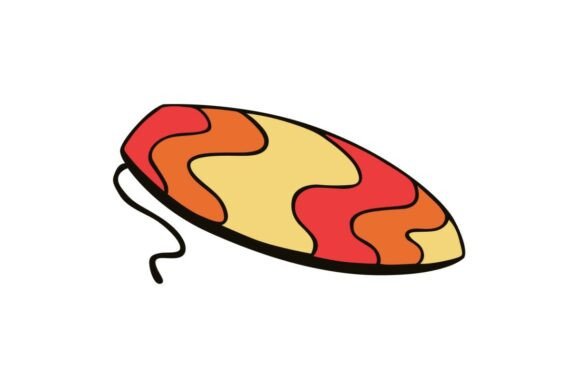
This piece is described as a cool illustration of a surfboard featuring a groovy red, orange, and yellow wave pattern with a leash attached. At first glance, the visual personality is distinct. It screams summer, freedom, and a bit of 1970s flair. For an Etsy seller or a craft business owner, this kind of immediate thematic recognition is valuable. It does not require explanation; the buyer sees the surfboard and the warm colors and instantly understands the vibe. But as a designer, my job is to look past the initial "cool factor" and evaluate the technical execution and end-use potential.
First Impressions and Visual Mood
The mood created by Retro Wavy Surfboard is undeniably upbeat. The color palette—red, orange, and yellow—is high-energy and optimistic. In the world of embroidery project planning, color contrast is king. These warm tones are excellent for creating visibility against most neutral backgrounds. Whether you are working with white canvas, light denim, or cream-colored cotton, these colors will pop without needing excessive underlay or heavy stabilization.
The layout features a classic surfboard shape, which provides a strong, recognizable silhouette. The inclusion of the leash adds a touch of realism that elevates it from a generic graphic to a more thoughtful illustration. This detail matters because it suggests attention to craft, which mirrors the craftsmanship expected in handmade products. The wavy pattern inside the board offers a nice texture opportunity, allowing for varied stitch types rather than a single flat fill.
Real-World Application: From Screen to Stitch
I often think about where a design will live once it leaves the hoop. For Retro Wavy Surfboard, the versatility is impressive. It fits naturally into several categories of custom apparel and home decor.
- Tote Bags: A large canvas tote bag is perhaps the most obvious application. The size of the surfboard allows for a generous placement on the front panel, making it a statement piece for beach days or grocery runs. This works well as a tote bag design for tourists or locals alike.
- Sweatshirts and Hoodies: As seasons change, this design can transition. While it feels like summer, the warm colors work beautifully on heather grey or navy sweatshirts during early autumn. It serves as a great sweatshirt embroidery option for those who miss the beach year-round.
- Baby Items: The soft, rounded shapes and cheerful colors make this suitable for baby embroidery. Think onesies, burp cloths, or nursery wall hangings. The theme is gender-neutral and universally appealing, which is a huge plus for gift-givers.
- Kitchen Decor: Do not overlook the potential for tea towels or aprons. A retro surfboard on a linen apron adds a playful touch to a chef’s uniform or a home cook’s toolkit. It brings a bit of vacation energy into the kitchen.
For commercial embroidery purposes, this design has strong branding potential. Imagine a local surf shop wanting embroidered hats or patches. The bold lines and clear imagery ensure that the logo remains legible even from a distance. It creates a sense of community and lifestyle that customers want to associate with a brand.
Technical Considerations and Fabric Choices
While the design is visually striking, no embroidery file is perfect for every surface. There are specific situations where Retro Wavy Surfboard requires careful handling. If you are planning to use this on a curved surface like a baseball cap, you must be mindful of the distortion. The surfboard shape is long and relatively narrow; stretching it over a curved brim or crown can warp the proportions unless you use a stiffener or a specialized cap frame.
Fabric texture also plays a critical role. On highly textured fabrics like bouclé or thick terry cloth, fine details might get lost. The leash and the smaller waves within the board need a smooth enough surface to show their definition. I recommend testing this on a stable, medium-weight fabric first. If you are using thin fabric, such as a lightweight polyester performance shirt, you will need a high-quality tear-away stabilizer to prevent puckering. Conversely, on stretchy knits, a cut-away stabilizer is non-negotiable to maintain the integrity of the stitch density over time.
Another area to watch is dark fabric. While the red, orange, and yellow are bright, they may lack contrast against deep black or midnight blue backgrounds. In such cases, you might need to add a white underlay or consider a different background color to ensure the design pops. Always check your thread colors against your chosen fabric before committing to a full run of small shop products.
Designer Notes for Best Results
To get the most out of this digital embroidery file, I have a few practical tips based on my experience.
- Test on Scrap: Never trust a design blindly. Hoop a scrap of your actual production fabric and run the machine. Check for any tangled threads or areas where the fill stitch might be too dense.
- Inspect Small Details: Zoom in on the digital preview, but then look at the stitched sample closely. Are the curves of the wave smooth? Is the satin stitch around the edges clean? If the file uses a lot of running stitch for the leash, ensure the tension is balanced so it does not break easily.
- Black and White Mockup: Convert the design to grayscale to check its value structure. Does the shape hold up without color? This helps identify if the composition relies too heavily on color contrast rather than form.
- Stabilizer Selection: Use the right stabilizer for the job. For woven fabrics, a tear-away might suffice. For knits or garments that will be washed frequently, a cut-away is safer to prevent distortion.
- Licensing Check: Before selling finished items, verify the license terms. Ensure you are allowed to sell physical products made from this graphics category item. This protects your craft business from legal issues.
Final Verdict
Retro Wavy Surfboard is a solid addition to any designer’s library. It captures a specific aesthetic that is timeless yet trendy. Its strength lies in its clarity and emotional appeal. It makes a customer smile, and in the world of personalized gifts and boutique branding, that emotional connection is what drives sales.
It is not just a decoration; it is a conversation starter. Whether it ends up on a child’s backpack, a surfer’s duffel bag, or a stylish tote, it carries a sense of joy and relaxation. By paying attention to fabric choice, stabilization, and thread selection, you can ensure that the final finished product reflects the quality and care that your brand stands for. For anyone looking to expand their range of design assets with something versatile and visually engaging, this design delivers on both fronts.